In his first guest post for Transition Liverpool, cycle campaigner Edward Lamb gives us his take on the role of cycling in our post-lockdown rebuild.
All it took was the end of life as we know it.
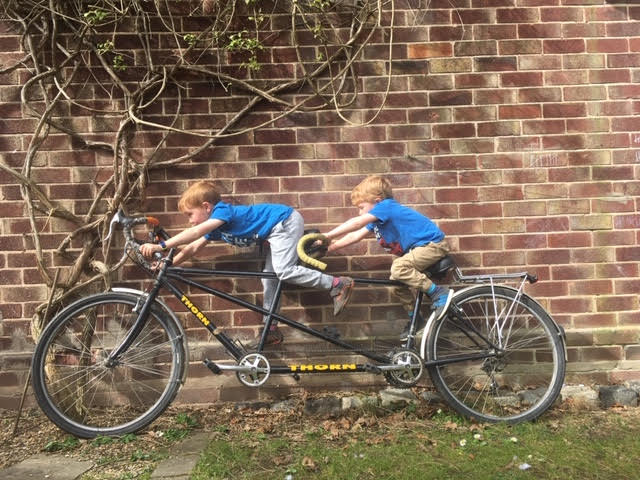
For years (decades!) campaigners, planners, experts and even the odd MP have shouted from the sidelines about the power of the bicycle. Name me a problem and the bicycle will fix it. Air pollution? Bikes! Noise pollution? Bikes! Physical health? Bikes! Safer streets? More Bikes! Climate change? BIKES!!!
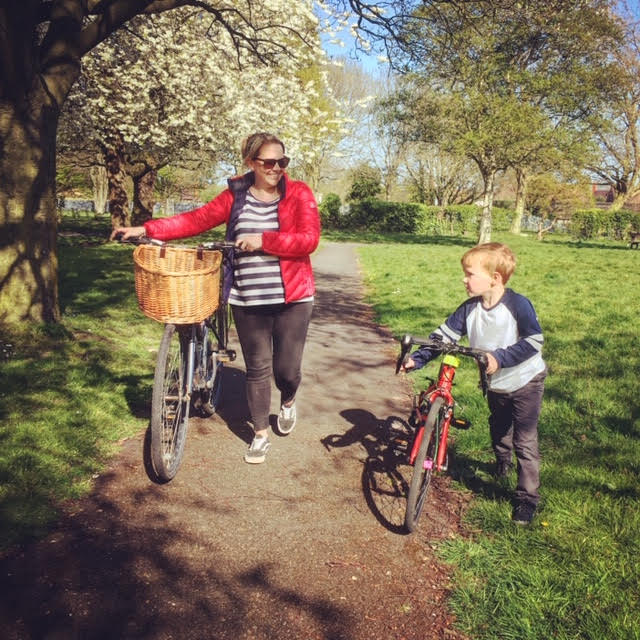
I’m quite new to the campaigning game but I’m told that there has been more than one false start in recent generations. I’m also new enough to it to get excited when announcements are made. On Friday 8th May at 4pm, Transport Secretary Grant Shapps made a very big announcement. Well, big if you’re a walking/cycling nerd like me. The announcement could have profoundly positive impact on all of us, irrespective of how you move around.
The horror of COVID-19 has thrown up a unique opportunity for sustainable transport. With public transport capacity restricted to as little as 10% of pre-crisis levels for months, if not years into the future, we need to find different ways of getting around. The idea of our roads being flooded with cars initially filled me (and many others) with horror, but as convenient as driving can be, cars have an Achilles heel – they are incredibly space inefficient. Forget about issues around air pollution – Shapps and his advisors have crunched the numbers and realised that if everyone hops in their car our towns and cities will be paralysed.
Enter the bicycle.
There are folks online who are doing a far better job of explaining why this announcement is a big deal. Adam Tranter, Bicycle Mayor for Coventry, explains it well here. (Sidenote – Liverpool and/or our City Region needs a bicycle mayor).
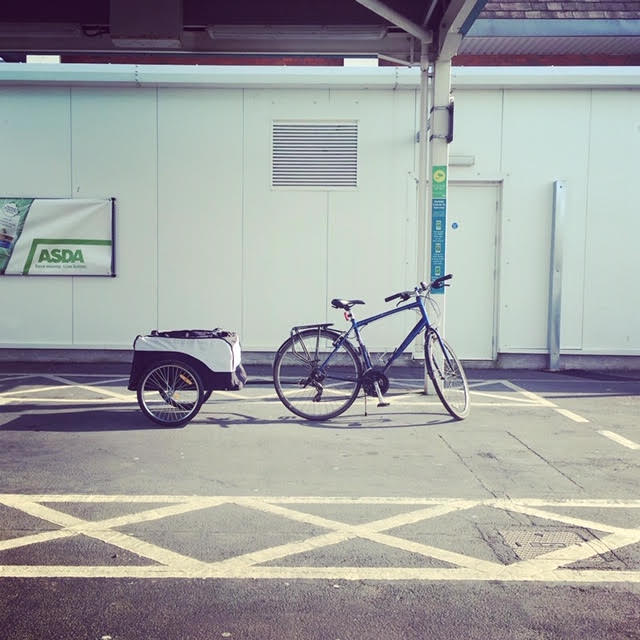
There is lots to drool over in the updated Traffic Management Act. Pavement widening, 20mph zones, road closures around schools, Low Traffic Neighbourhoods, additional cycle parking facilities… it’s all in there! The important thing is to remember that the crisis around COVID-19 is the catalyst for these temporary changes but check this out for a line from the Department for Transport:
“Authorities should monitor and evaluate any temporary measures they install, with a view to making them permanent, and embedding a long-term shift to active travel as we move from restart to recovery.”
Wow.
You should certainly think hard about contacting your local councillors and MPs to ask what is being done in your area for the health, safety and future prosperity of your fellow citizens, both in the weeks ahead and beyond.
Councils will no longer be able to water down schemes or ignore you. If they fail to act, government will step in and act for you. But why wouldn’t a Local Authority want to make these changes? Walking and cycling should be the easiest ways to get around – they both keep us healthy, our air clean and our streets safe and quiet. What’s not to like?

The crisis this pandemic has brought to our doors will morph into the environmental crisis that was finally being understood by a sizeable percentage of our population. We should applaud the government for recognising this and not shying away from it. A government ‘Decarbonising Transport‘ report that snuck out a week or two into lockdown showed that the scale of the challenge is understood.
It was Churchill that supposedly first said “Never let a good crisis go to waste”. For those that are alert to the tidal wave of chaos the climate emergency could bring, this is not an opportunity to be wasted.
Ed is a Dad, designer and podcaster. He’s been been thinking about climate change and sustainable transport for a number of years and campaigns hard for safer cycling. In 2019 he setup Rethink Now CIC – a non-profit that aims to help turn the tide on our environmental crisis. Follow Ed on Twitter for more.